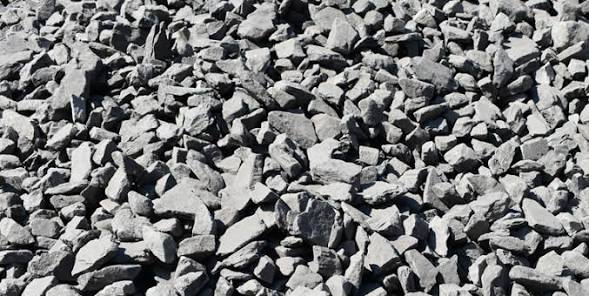
Aggregates in the UK are classified into primary (natural), secondary (industrial by-product), and recycled (demolition waste) materials, commonly used for construction, roads, and landscaping. Key types include MOT Type 1 (0-40mm crushed rock/concrete for,base), Type 3 (permeable sub-base), and 6F2/6F5 (capping/fill). Sizes range from fine sand to coarse gravel. Tensar U.K +4
Primary Aggregate Types (Natural)
- Sand and Gravel: Natural materials used for concrete, mortar, and drainage.
- Crushed Rock: Quarried stone such as limestone, granite, or basalt used for sub-bases and roadstone.
- Ballast: A mix of coarse sand and gravel, often used for heavy-duty concrete. Tensar U.K +4
Recycled Aggregates & Secondary
- Type 1 MOT (Crushed Concrete/Hardcore): The most common sub-base, 0-40mm, for paths, driveways, and roads.
- 6F2/6F5 (Capping/Fill): Coarse, recycled material (often 75mm-125mm) used for filling, embankments, and forming temporary, heavy-duty site paths.
- Secondary Aggregates: Industrial byproducts like pulverized fuel ash or furnace slag. Tensar U.K +4
Common UK Specifications
- Type 1 (DOT/MOT): 0-40mm graded material, often limestone or granite, used for durable, compacted sub-bases.
- Type 3: Similar to Type 1 but with fewer fines, designed for better water permeability.
- Type 2: 0-20mm material, usually finer, used for lighter-duty applications like domestic driveways. Cloburn Quarry Company Ltd +2
Decorative Aggregates
- Gravel/Chippings: Used for landscaping,, driveways, and borders. Kane Garden Chips & Aggregates +1
Aggregates are typically classified by size, such as fine (up to 4.75mm) or coarse (4.75mm – 18mm+), or by their function as sub-base, capping, or blinding layers.